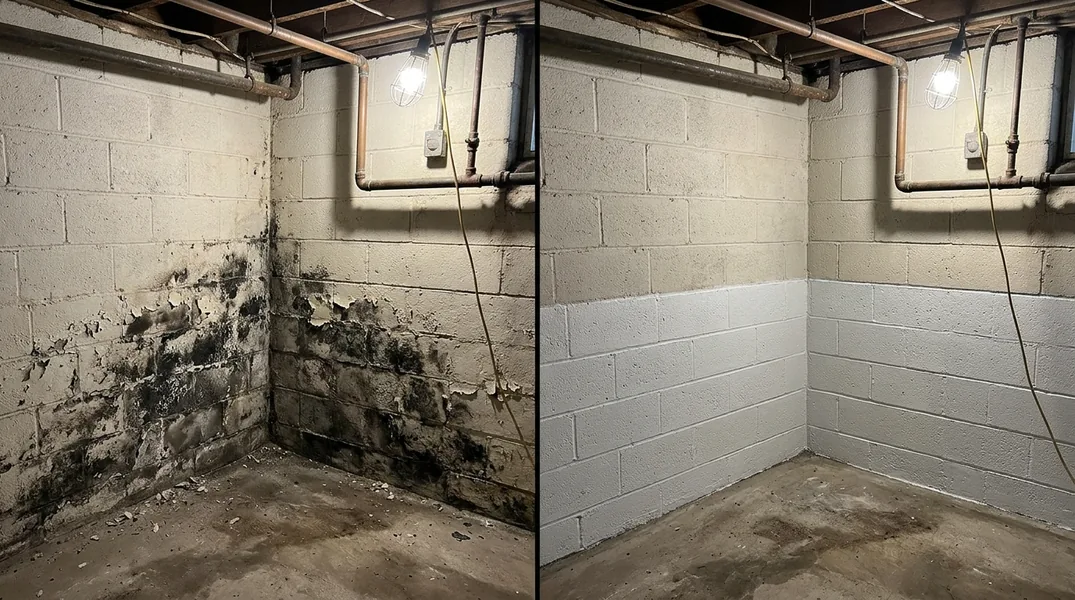
Why Hammond Basements Face Unique Waterproofing Challenges
If you live in Hammond, you already know that water around your foundation is not just a springtime annoyance. The region sits on heavy lake clay, a soil type that absorbs water slowly and holds it against your basement walls long after the rain stops. That means even a moderate storm can push hydrostatic pressure against your foundation and force water through cracks, joints, and porous concrete. Homeowners in nearby Highland and Munster deal with the same clay-heavy conditions, which is why basement leaks here tend to be chronic rather than one-time events.
Understanding the soil is the first step in choosing a waterproofing strategy. Lake clay expands when wet and shrinks when dry, and that movement puts constant stress on foundation walls. When you are comparing interior vs exterior waterproofing, the right answer depends on how your home was built, how the water is entering, and how much access you have to the outside foundation. A solution that works on a sandy lot in another state may not perform the same way against Hammond's clay. That is why a local assessment matters more than a generic checklist.
Interior vs Exterior Waterproofing: How Each Approach Works
An Interior Drain Tile System manages water after it enters the basement. The process typically involves breaking out a channel along the interior perimeter of the floor, installing perforated pipe and gravel, and connecting the system to a sump pump that moves water away from the home. Because the work happens inside, it is not affected by weather, and it can be completed without excavating your yard, driveway, or landscaping. For many homeowners, this is the most practical way to stop a wet floor and protect finished living space.
Exterior Basement Waterproofing takes the opposite approach. It stops water before it reaches the foundation by excavating down to the footing, applying a waterproof membrane to the exterior wall, and installing drain tile and drainage board to redirect groundwater. This method addresses the source of the pressure directly, but it requires heavy excavation and can be disruptive. The drain tile vs exterior membrane comparison often comes down to access and budget: exterior work is more thorough but more invasive, while interior systems are faster to install and easier to maintain over time.
Which Option Is Right for Your Hammond Home?
For most Hammond homeowners dealing with lake clay basement leaks, an interior system is the more practical first line of defense. The clay soil here makes exterior excavation expensive and sometimes risky, especially on lots with mature trees, fences, or additions close to the foundation. An interior drain tile system captures water at the cove joint and floor cracks, then routes it to a sump pump, which keeps the basement dry even during prolonged wet periods. It also allows for a full Basement Waterproofing plan that can include wall vapor barriers and dehumidification.
Exterior waterproofing makes more sense when the home is under construction, when the foundation is being repaired anyway, or when the grading and drainage outside are clearly the main problem. In some cases, a combination of exterior grading corrections and an interior system offers the best long-term result. A professional assessment should look at the slope of your yard, gutter discharge, window wells, and foundation cracks before recommending a direction. If you are unsure which path fits your home, a free estimate from a local contractor can give you a clear comparison without guesswork.
Basement Waterproofing Cost in Hammond: What to Budget
Cost is often the deciding factor between interior and exterior approaches, and the difference can be significant. Interior drain tile systems generally cost less because they do not require excavation of your yard or restoration of landscaping, driveways, or patios. Exterior membrane systems involve heavy equipment, soil removal, and backfill, which drives up labor and material expenses. For a typical Hammond home, interior work is usually the more budget-friendly option, but the final number depends on linear footage, sump pump requirements, and whether wall treatments are included.
It is worth asking for a written breakdown of pricing that separates labor, materials, and any optional upgrades. Be cautious of quotes that seem unusually low, since they may skip important steps like gravel bedding or proper discharge. A reputable contractor will explain what is included and why each component matters for lake clay conditions. You can also ask how the system will be maintained and whether a warranty covers both the drain tile and the sump pump. For homeowners in Griffith and surrounding communities, comparing itemized estimates is the best way to avoid surprises.
Basement Waterproofing Near Me: When to Call a Pro
Some basement moisture can be handled with simple fixes like extending downspouts or regrading a small low spot, but persistent seepage, efflorescence, and musty odors usually point to a foundation-level issue. If you see water along the base of the wall after heavy rain, notice cracks that widen over time, or find that a previously dry basement now smells damp, it is time to bring in a professional. In Hammond's clay soil, these symptoms tend to worsen rather than resolve on their own, and delaying repairs can lead to mold, damaged framing, and higher costs later.
A qualified contractor will inspect the interior and exterior, check the sump pump and discharge, and explain whether Foundation Waterproofing or a drainage-focused solution is the better fit. You should expect clear answers about interior vs exterior waterproofing, not a one-size-fits-all sales pitch. If you want a straightforward assessment for your home, call Hammond Waterproofing at (219) 228-8921 or request a free estimate to get started.
Looking for a professional basement waterproofing contractor in Hammond? Hammond Waterproofing responds fast for all your basement waterproofing needs.
Get a Free QuoteOur services: Basement Waterproofing · Interior Drain Tile System · Exterior Basement Waterproofing